Yellowstone Mudpots and Steam Vents: What to Know Before You Go
Yellowstone mudpots are one of the easiest ways to see why this park feels alive. The ground bubbles. Steam hisses out of the earth. The whole area feels active in a way that photos never fully capture. If you are planning a Yellowstone stop like this, the real question is simple. Is it worth the time, and what should you know before you go?
For us, the answer was yes. This was one of those Yellowstone stops that felt strange, loud, and memorable in the best way. It also reminded us that thermal areas are not just scenic. They are active, fragile, and worth approaching with more respect than a normal roadside stop.
Why Yellowstone Mudpots Are Worth Seeing
Mudpots look different from the classic Yellowstone postcard stops, but that is exactly why they stand out. Instead of bright pools or tall eruptions, you get thick bubbling mud, constant motion, and the sense that the ground is doing something unpredictable right under your feet.
If you want a Yellowstone stop that feels more raw than polished, this is a good one. It is less about one big eruption and more about the atmosphere of the whole place.
What Makes Steam Vents So Different
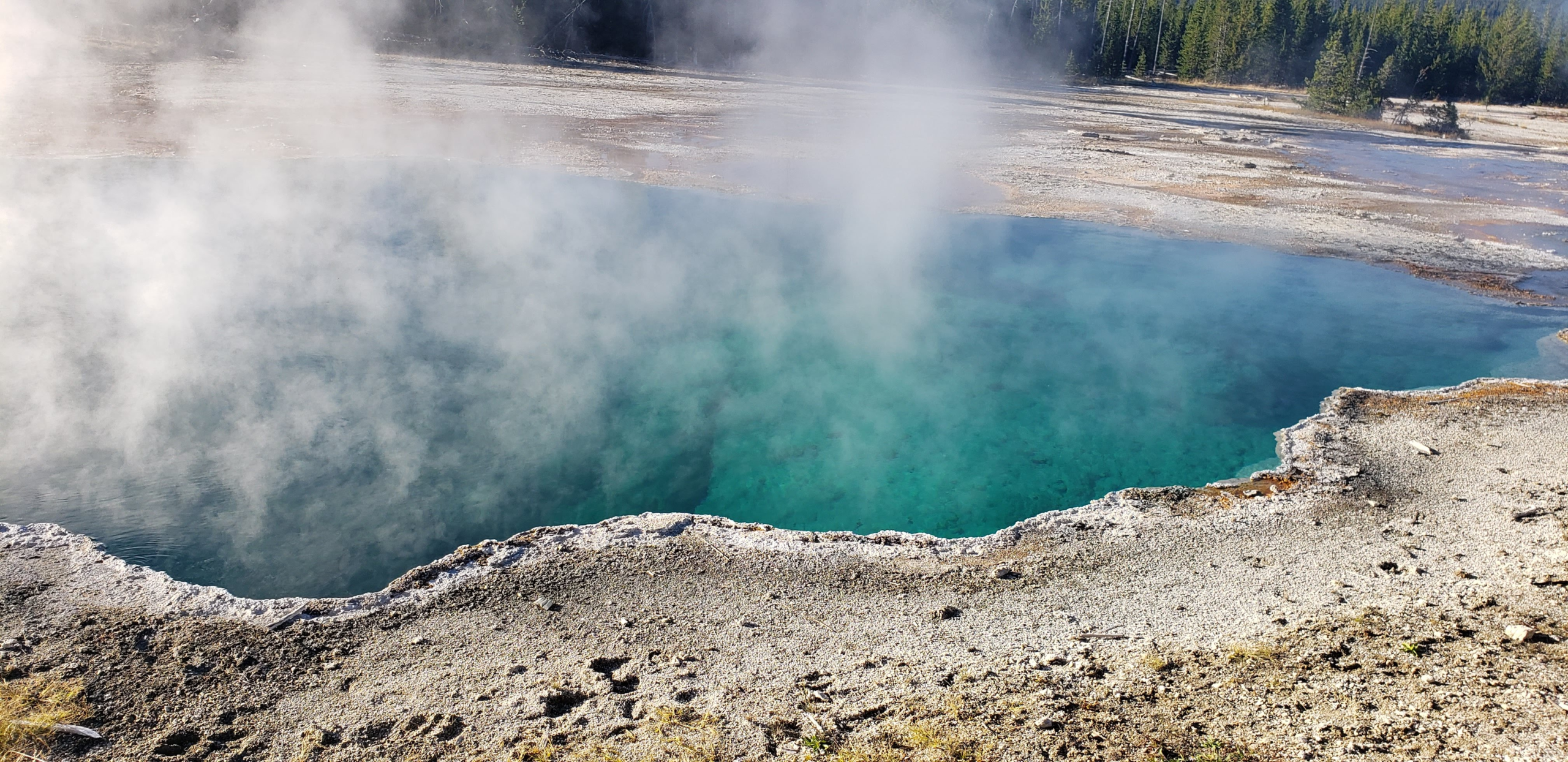
Steam vents add another layer to the experience. You hear them before you fully understand what you are looking at. The hiss, the heat, and the drifting steam make the whole area feel more intense than a normal scenic overlook.
That is part of what makes this stop so memorable. It does not just look different. It sounds different too.
What to Expect on the Boardwalk
This is the kind of Yellowstone stop that works best when you slow down. Do not rush it like a quick photo stop. Walk the boardwalk. Listen to the vents. Watch the mud for a minute instead of five seconds. The longer you stay with it, the more it feels like its own world.
- Expect strong smells in some areas
- Expect steam to change the view from minute to minute
- Expect the stop to feel more dramatic in cooler weather
- Expect boardwalk-only access in sensitive thermal zones
This is one of those places where the mood is a big part of the payoff.
Yellowstone Thermal Area Safety That Actually Matters
The biggest mistake you can make here is treating it like ordinary ground. Thermal areas are beautiful, but they are also dangerous. The boardwalk is not there for convenience. It is there because the ground around these features can be unstable and extremely hot.
- Stay on boardwalks and designated trails
- Do not touch thermal features or runoff
- Keep children close in thermal areas
- Do not bring pets into thermal zones
That is the part worth repeating. The stop is amazing because Yellowstone is active. That is also why the rules matter.
Who This Yellowstone Stop Fits Best
This is a great stop for first-time Yellowstone visitors, road trippers who want a short but memorable boardwalk experience, and anyone who likes geology more than crowds around one headline attraction. It is also a smart stop when you want a big payoff without committing to a long hike.
If you only care about giant eruptions, you may like geyser stops more. If you like strange landscapes and a more eerie feel, this is a much better fit.
Our Bottom Line
Yes, Yellowstone mudpots and steam vents are worth stopping for. Not because they are the biggest feature in the park, but because they show a side of Yellowstone that feels active, messy, and real. This is the kind of stop that makes the park feel less like a postcard and more like a living system.
Final Thoughts
If you are building a Yellowstone plan, make room for at least one thermal stop like this. Slow down on the boardwalk. Watch more than one bubbling pool. Listen to the vents. And treat the whole area with the respect it deserves. That is how this stop pays off.
Watch the full YouTube video here: Bison Herds, Geysers, Horses and Snow Closures
Planning more Yellowstone stops? Read our other honest national park posts before your next western RV trip.
Related posts:
- Yellowstone RV Trip Mistakes That Cost Us Days
- Lake Tahoe RV Trip: What Made This Reunion Worth the Drive
- RV GPS Wrong Turn in Vegas With a 35-Foot Fifth Wheel